
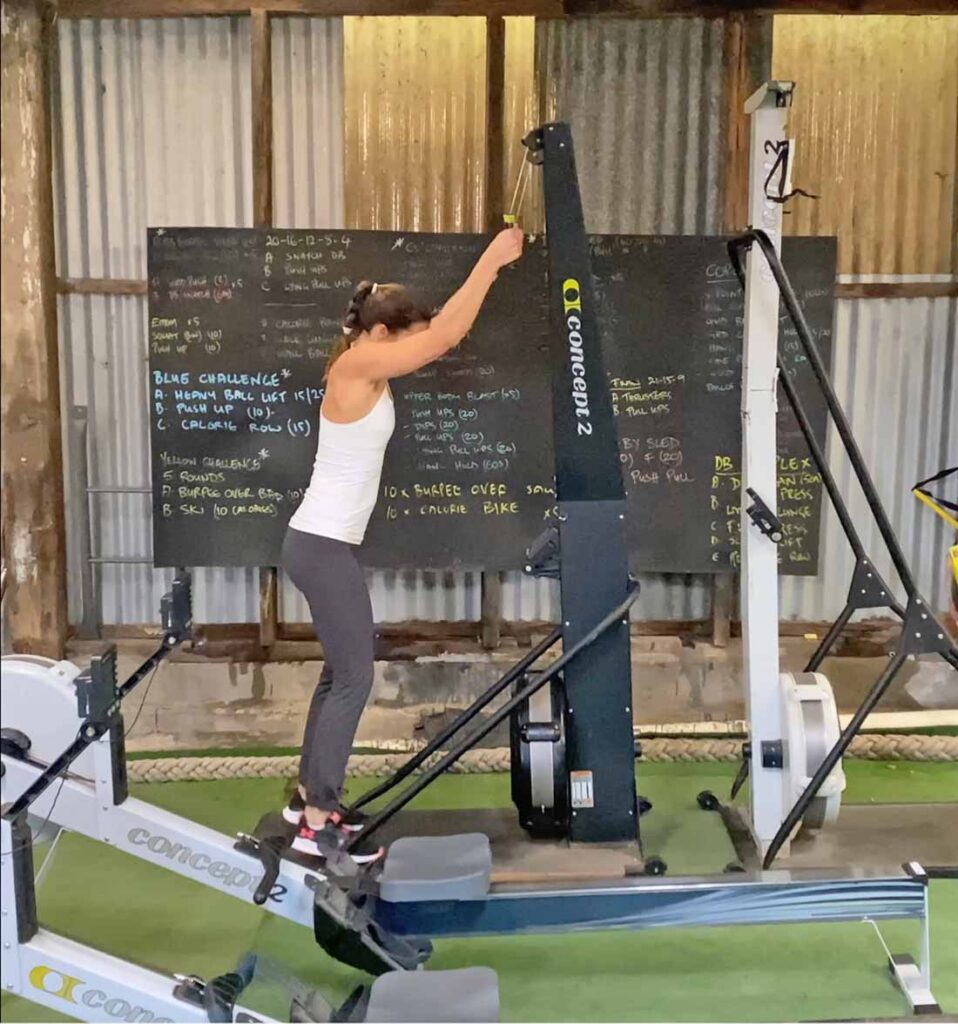
If time is limited and results matter, high-intensity interval training (HIIT) often outperforms traditional steady-state cardio.
Most people burn more calories in a focused 20-minute HIIT session than they would during 45 minutes of moderate-intensity cardio or constant-paced strength training. Beyond calorie burn, HIIT can rapidly improve lung capacity, circulation, and overall stamina.
What Is Steady-State Cardio?
Steady-state training keeps you at a consistent, moderate intensity for the duration of your workout. Think treadmill jogging, cycling, or outdoor running at the same pace from start to finish.
It builds an aerobic base.
But it does not challenge your system in waves.
What Is HIIT?
High-intensity interval training alternates between short bursts of hard effort and controlled recovery periods.
Work intervals typically last between 10 seconds and 2 minutes at roughly 80 to 95 percent of your maximum heart rate, or a 9 to 10 on the Rate of Perceived Exertion scale. Each effort is followed by a shorter recovery period before repeating.
This contrast between effort and recovery is where the magic happens. Your body is forced to adapt quickly.
Benefits of HIIT
HIIT training has been shown to improve:
• Cardiovascular performance
• Insulin sensitivity
• Post-training calorie burn
• Heart health
• Stamina and metabolic efficiency
It is efficient.
It is demanding.
And when structured properly, it is highly effective.
That said, the key word is structured. Random high effort is not the same as intelligent interval programming.
At guzzFit , every session is designed around progression, recovery, and measurable improvement.
If you want to experience how structured HIIT fits into a balanced training plan, we offer a complimentary Trial Fitness Training Session.
Start here: guzzFit
Train with intent.
Build real change.


