Recovery Training in Traralgon
Fix tightness. Reduce pain. Keep progressing without setbacks.
Recovery Training Traralgon at guzzFit integrates mobility, joint alignment, and structured recovery methods that keep your strength progressing safely. Training builds capacity. Recovery allows adaptation.
If your body feels tight, sore, or restricted, your progress is already compromised.
Recovery Is Not Optional
Training builds capacity.
Recovery allows adaptation.
Without proper mobility and joint positioning, strength output declines while injury risk increases when following unstructured training.
At guzzFit recovery is programmed intentionally, not added as an afterthought.
Why You Feel Tight, Even When You Train
Most people train harder when something feels off.
They push through tightness. Ignore restrictions. Work around discomfort.
But over time:
• Movement becomes inefficient
• Compensation patterns develop
• Joint stress increases
Until progress stalls or pain appears.
Pain is not random.
it’s often the result of poor movement patterns built over time.
Why Mobility Matters
Tight muscles alter firing patterns and joint mechanics. When muscles operate outside their optimal range:
• Strength output decreases
• Movement becomes inefficient
• Compensation patterns develop
• Joint stress increases
Over time, this leads to pain and stalled progress.
Where Most Restrictions Come From
Most people don’t realise where their limitations are coming from.
At guzzFit we commonly address:
• Hip flexors
• Quadriceps
• Adductors
• Lats
• Glutes
• Shoulders
• Scapula positioning
How We Restore Movement
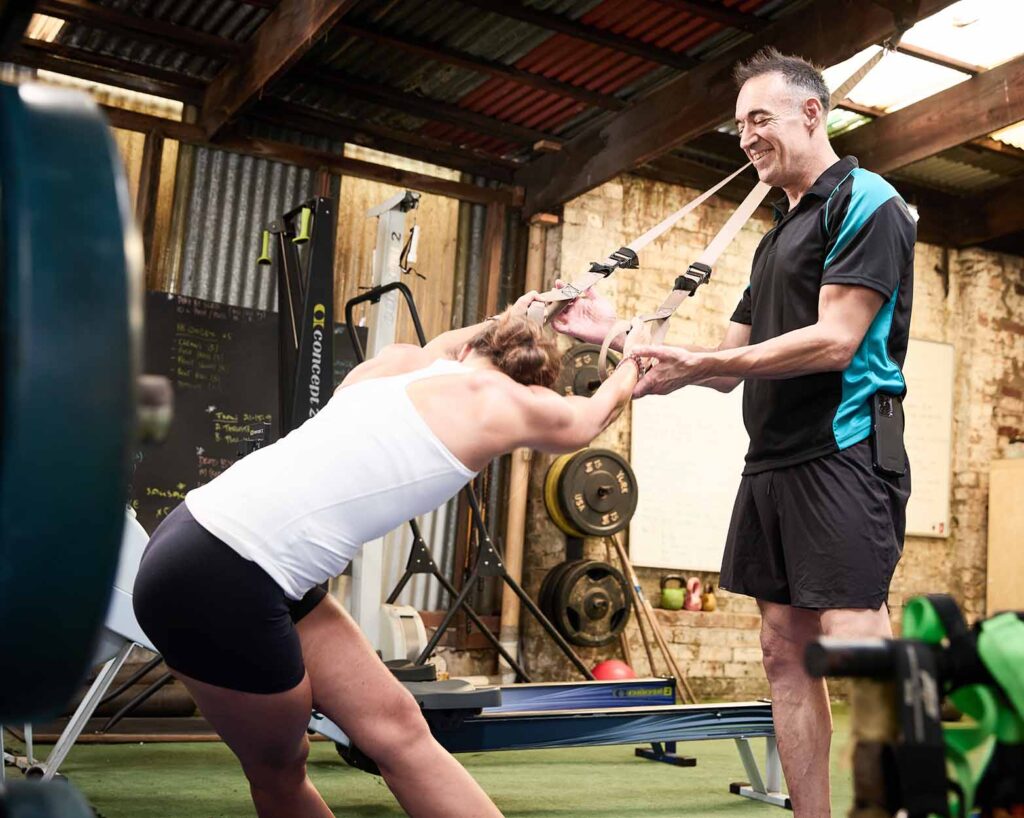
TRX Lat Stretch
This stretch targets the latissimus dorsi to restore overhead range and reduce compensatory strain on the lower back and shoulders. Tight lats can limit shoulder elevation and pull the pelvis into extension, increasing lumbar stress. Improving lat length supports better posture, cleaner pressing mechanics, and safer pulling patterns.
Hip Mobility
This movement restores hip joint range while reinforcing neutral pelvic positioning. By improving hip extension and rotational capacity, we reduce compensatory stress on the lower back and knees, two of the most common injury sites during strength training.
Consistent hip mobility work supports better glute recruitment, smoother gait mechanics, and more stable lifting patterns.
Foam Roller Shoulder Health
This release pattern helps counteract the forward-rounded posture created by prolonged sitting and pressing movements.
By guiding the arm through a slow, controlled 180° arc while stabilising the thoracic spine, we improve shoulder positioning, reduce strain on the anterior joint structures, and restore proper scapular movement, reducing injury risk during upper-body training.
Scapula Myofascial Foam Roller Release

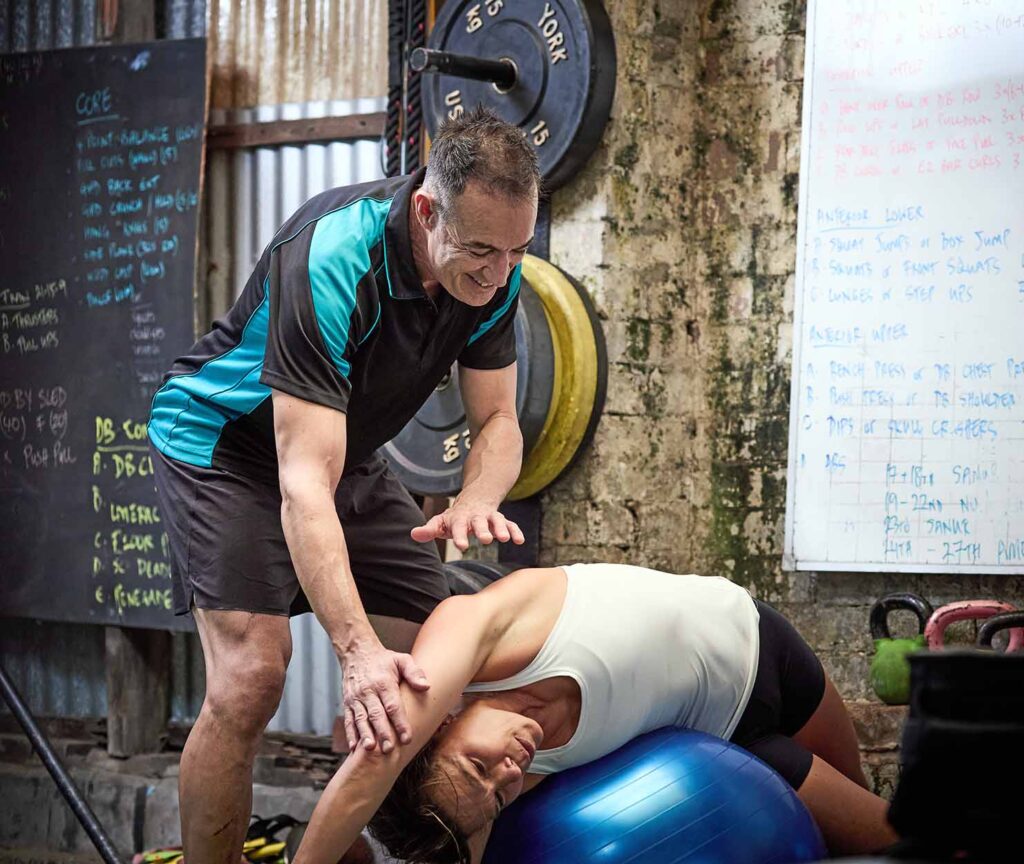
Swiss Ball Leverage Release
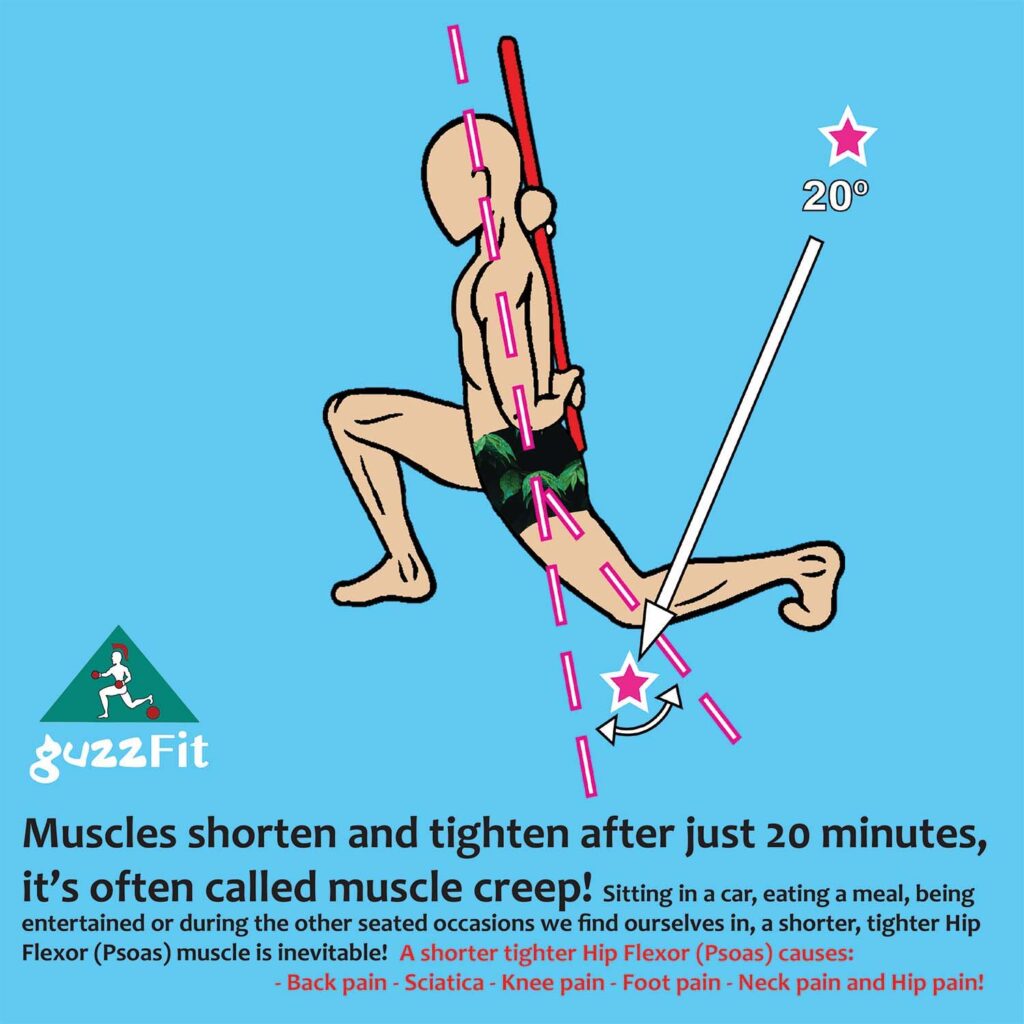
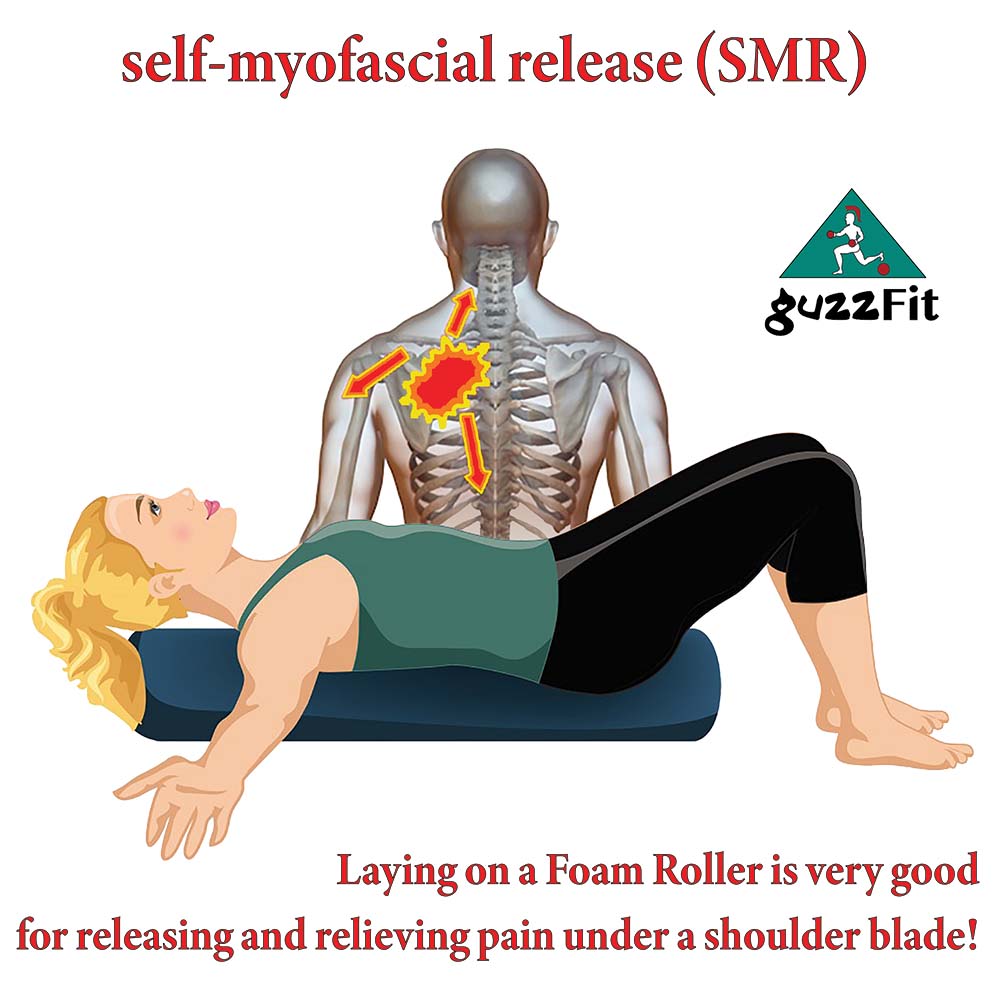
Dynamic Mobilisation Pattern
This restores dynamic muscle elasticity following controlled static holds, allowing newly gained range of motion to translate safely into functional movement.
What Recovery Work Includes
• Foam rolling
• Targeted stretching
• Dynamic mobilisation
• Core activation
• Postural muscle engagement
• Joint centration techniques
Each method is applied based on assessment rather than guesswork as part of a structured coaching system.
Strength And Recovery Work Together
Mobility without strength creates instability.
Strength without mobility creates restriction.
At guzzFit both are developed together through integrated strength training to ensure:
• Pain-free movement
• Efficient muscle recruitment
• Improved athletic performance
• Long-term joint health
You Don’t Need To Wait Until You’re Pain-Free
Structured programming allows you to build strength safely while improving mobility and correcting imbalances simultaneously.
Start With A Structured Assessment
If your body feels tight, sore, or restricted, training harder isn’t the answer. Improving how you move is.
If you’re based in Traralgon and want to experience structured recovery for yourself.
Start with a guzzFit complimentary results assessment.


